
Common Zoo Animals For Kids: The Fun, Exciting, And Educational Introduction To The Most Amazing Wild Animals Your Child Will See At The Zoo

There is no first experience quite like a child’s first trip to the zoo — the specific moment when the animal that previously existed only as the picture in the book, the character in the cartoon, and the plush toy on the bedroom shelf becomes the real, breathing, moving, entirely magnificent creature whose physical presence in front of the child creates the specific response of the wide eyes, the dropped jaw, and the pointed finger whose excitement is one of the most genuinely joyful experiences available in any child’s early life and one of the most completely rewarding available in any parent’s memory of their child’s first encounters with the extraordinary world beyond the familiar domestic environment. The zoo is the first introduction to the wild world for most children — the place where the abstract knowledge of the lion, the elephant, and the giraffe becomes the specific lived experience of the real animal whose size, whose smell, whose sound, and whose specific quality of the living creature most completely transforms the child’s relationship with the animal kingdom from the intellectual awareness of the book to the visceral, personal, emotionally immediate knowledge of the encounter. This guide introduces the most common and the most exciting zoo animals that children encounter on the zoo visit — providing the fun facts, the behavioral highlights, and the specific animal characteristics whose sharing with the child before and during the zoo visit most directly transforms the experience from the passive visual encounter with the caged animal into the genuinely educational, genuinely engaging adventure of the person who knows what they are looking at and whose knowledge most specifically and most directly amplifies the excitement that the seeing most completely and most memorably creates.
Lions and Tigers: The Big Cats That Rule Every Zoo Visit
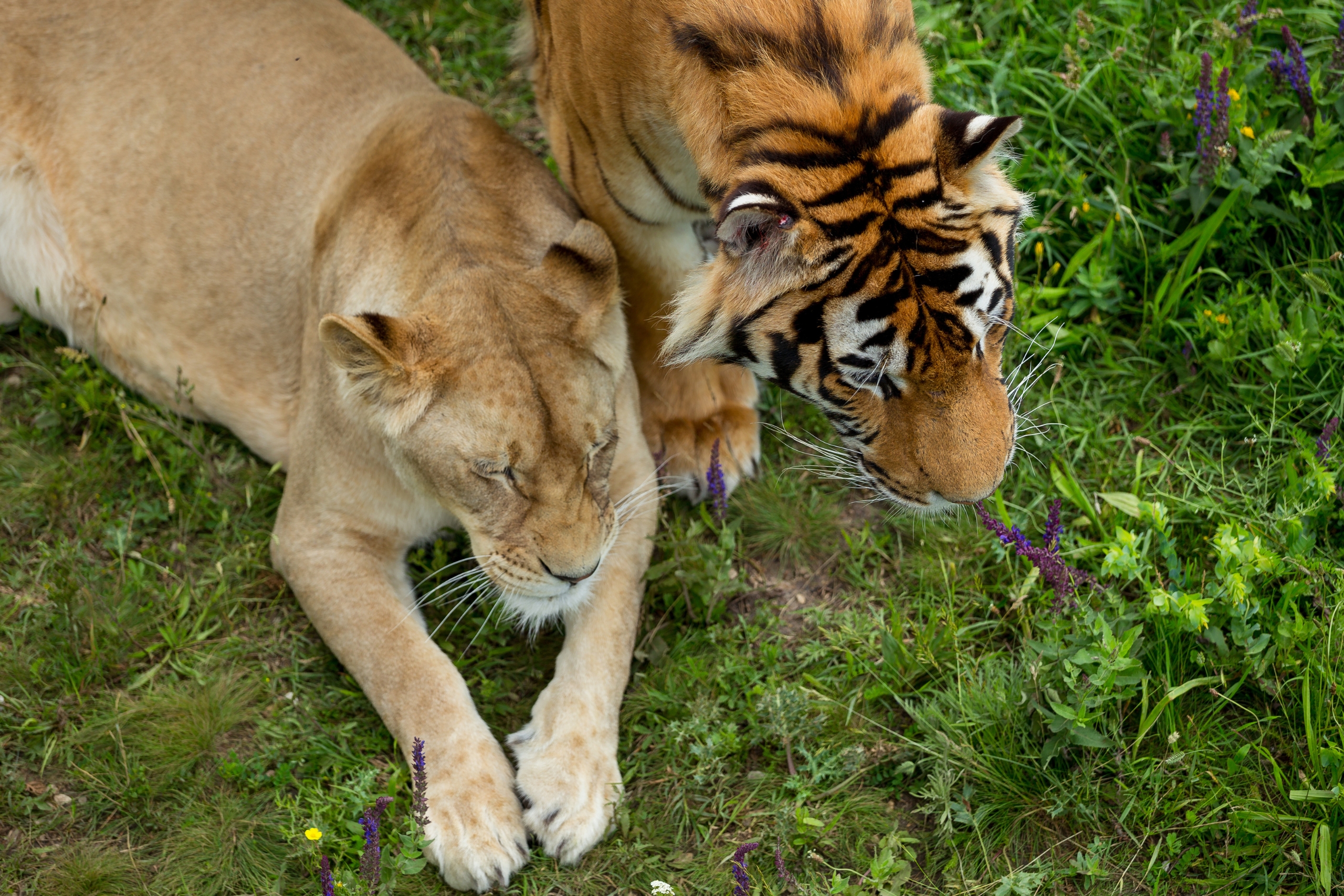
The big cats — the lion and the tiger whose specific combination of the enormous size, the obvious power, the dramatic appearance, and the specific behavioral moments of the yawn that reveals the teeth, the stretch that displays the muscle, and the occasional roar whose volume most viscerally communicates the scale of the animal in front of the child — are the zoo animals that consistently and universally produce the most dramatic response in the child visitor whose specific encounter with the big cat enclosure is the zoo visit moment most reliably and most enthusiastically recalled in every subsequent conversation about what was seen and what was most impressive. The lion’s specific social character — the pride structure whose grouping of the related females, their cubs, and the dominant male creates the specific social dynamic of the group whose interactions, whose play behaviors, and whose specific affectionate contact with each other most directly humanizes the wild animal in the way that the child’s developing social understanding most specifically and most accessibly engages with — makes it the zoo animal whose observation creates the most complete and the most emotionally resonant educational opportunity available in any big cat exhibit.
The lion is the largest wild cat native to Africa, with adult males whose mane — the specific dark, dense ring of hair around the face and the neck whose impressive appearance is the male lion’s most distinctive and most immediately recognizable physical feature — begins developing around the age of one year and continues growing in density and darkness throughout the adult life whose visual record in the mane’s specific character most directly and most reliably communicates the individual male’s age, health, and genetic quality to the females whose preference for the darker, denser mane most specifically reflects the genetic quality signal that the impressive mane most honestly and most completely conveys. The tiger — the largest of all the world’s wild cat species whose Siberian subspecies can reach the body weight of over six hundred pounds and the body length approaching twelve feet — is the zoo animal whose specific coat pattern of the black stripes on the orange background creates the most visually striking and the most individually distinctive appearance available in any zoo animal, with each tiger’s stripe pattern as unique as the human fingerprint whose individual specificity the tiger’s stripes most closely parallels in the natural world’s most complete available demonstration of the biological individuality whose expression in the coat pattern is both the camouflage tool and the individual identity marker that the tiger’s specific evolutionary history most specifically and most completely produced.
Elephants: The Gentle Giants With the Best Memories in the Animal Kingdom
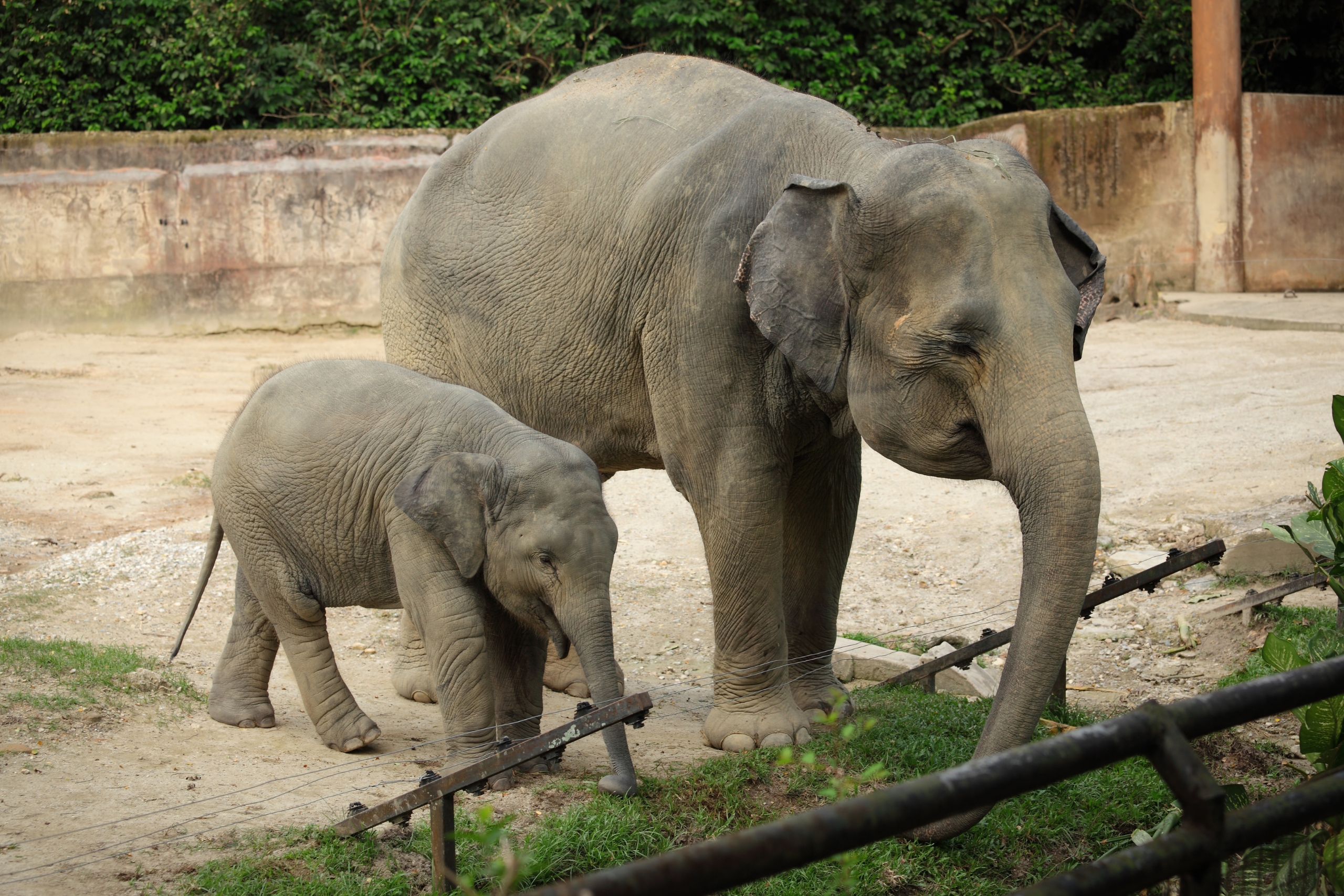
The elephant is the zoo animal whose specific encounter most completely transforms the child’s understanding of animal size — the specific scale of the living elephant whose shoulder height of ten to thirteen feet in the African species and whose body weight of eight to fourteen thousand pounds creates the most visceral and the most immediately impactful demonstration of the animal kingdom’s size range available in any zoo exhibit, and whose specific behavioral character of the gentle, deliberate, socially complex individual whose interaction with the other herd members and whose engagement with the enrichment items in the enclosure creates the most educationally complete and the most emotionally engaging zoo animal experience available for the child whose developmental understanding of the animal as the individual with the personality, the relationships, and the specific behavioral preferences most directly benefits from the extended observation that the elephant’s engaging behavior most specifically and most consistently rewards. The elephant’s memory — the specific cognitive ability whose reputation in the popular phrase is the understatement rather than the exaggeration of the actual neurological reality, whose specific hippocampal development creates the most sophisticated spatial memory and the most durable social memory available in any land mammal outside the human — is the behavioral characteristic whose explanation to the child creates the most directly accessible and the most personally relatable educational moment available in any elephant encounter, because the child whose own memory is the most important available cognitive resource most specifically and most immediately understands the value of the elephant’s extraordinary remembering capacity.
The elephant’s trunk — the specific anatomical structure whose combination of the nose and the upper lip creates the most versatile and the most dexterous appendage available in any terrestrial mammal, capable of the delicate manipulation of the small object, the powerful uprooting of the tree, the drawing of the forty liters of water for the drink or the bath, and the specific social touching and the greeting behavior whose use communicates the affection, the reassurance, and the individual recognition between the herd members whose social bonds the trunk’s tactile communication most specifically and most expressively maintains — is the elephant feature whose demonstration during the zoo visit creates the most directly educational and the most visually engaging learning opportunity available for the child whose observation of the trunk’s specific uses most directly and most memorably communicates the extraordinary biological versatility whose understanding most completely and most lastingly characterizes the child’s knowledge of the elephant. The African and Asian elephant species — whose specific physical differences of the ear size, the back profile, the head shape, and the tusk development most directly distinguish the two species for the observant zoo visitor whose knowledge of these differences most specifically transforms the generalized elephant encounter into the specific species identification exercise that the more engaged and the more educationally ambitious zoo visit most productively and most enjoyably includes.
Giraffes: The Tallest Animals on Earth and the Most Surprisingly Graceful
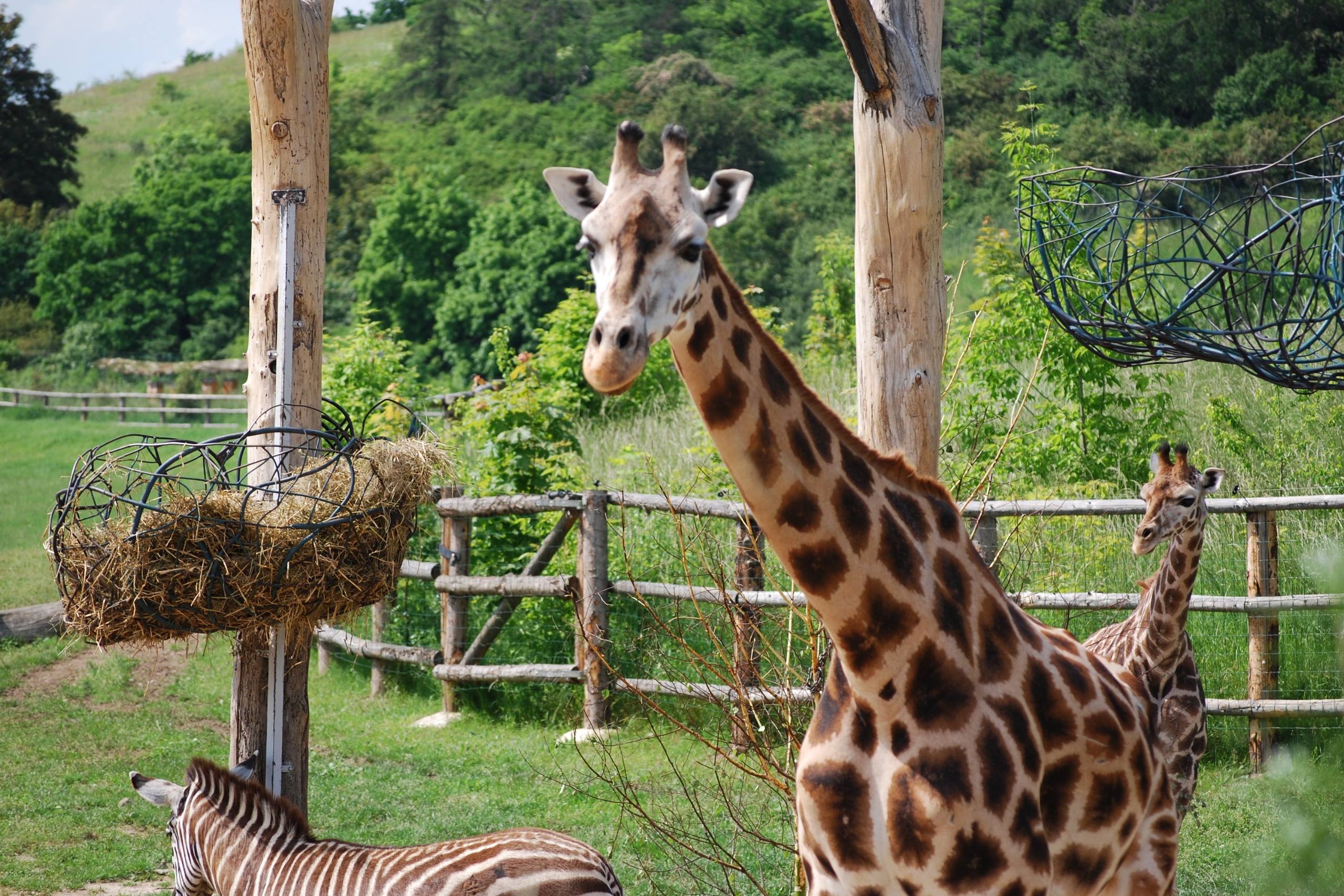
The giraffe is the zoo animal whose specific encounter most reliably produces the specific child response of the repeated upward gaze whose trajectory from the ground level to the full height of the adult giraffe’s eighteen to nineteen feet requires the most dramatic available neck craning of any zoo animal encounter and creates the most immediate and the most viscerally complete demonstration of the specific biological fact that no photograph, no illustration, and no book description most completely replicates with the same immediate impact as the physical presence of the actual animal whose height requires the specific spatial recalibration of the child’s entire sense of scale that the first in-person encounter most dramatically and most memorably produces. The giraffe’s height is the most obvious and the most immediately impressive of its biological characteristics, but the specific behavioral and physiological details whose sharing with the child during the giraffe encounter most completely transforms the visual spectacle into the genuinely educational experience include the specific cardiovascular engineering of the two-foot-long heart and the uniquely adapted blood pressure regulation system whose management of the blood pressure differential between the brain and the feet most specifically and most directly addresses the specific physiological challenge that the giraffe’s extraordinary height most emphatically creates.
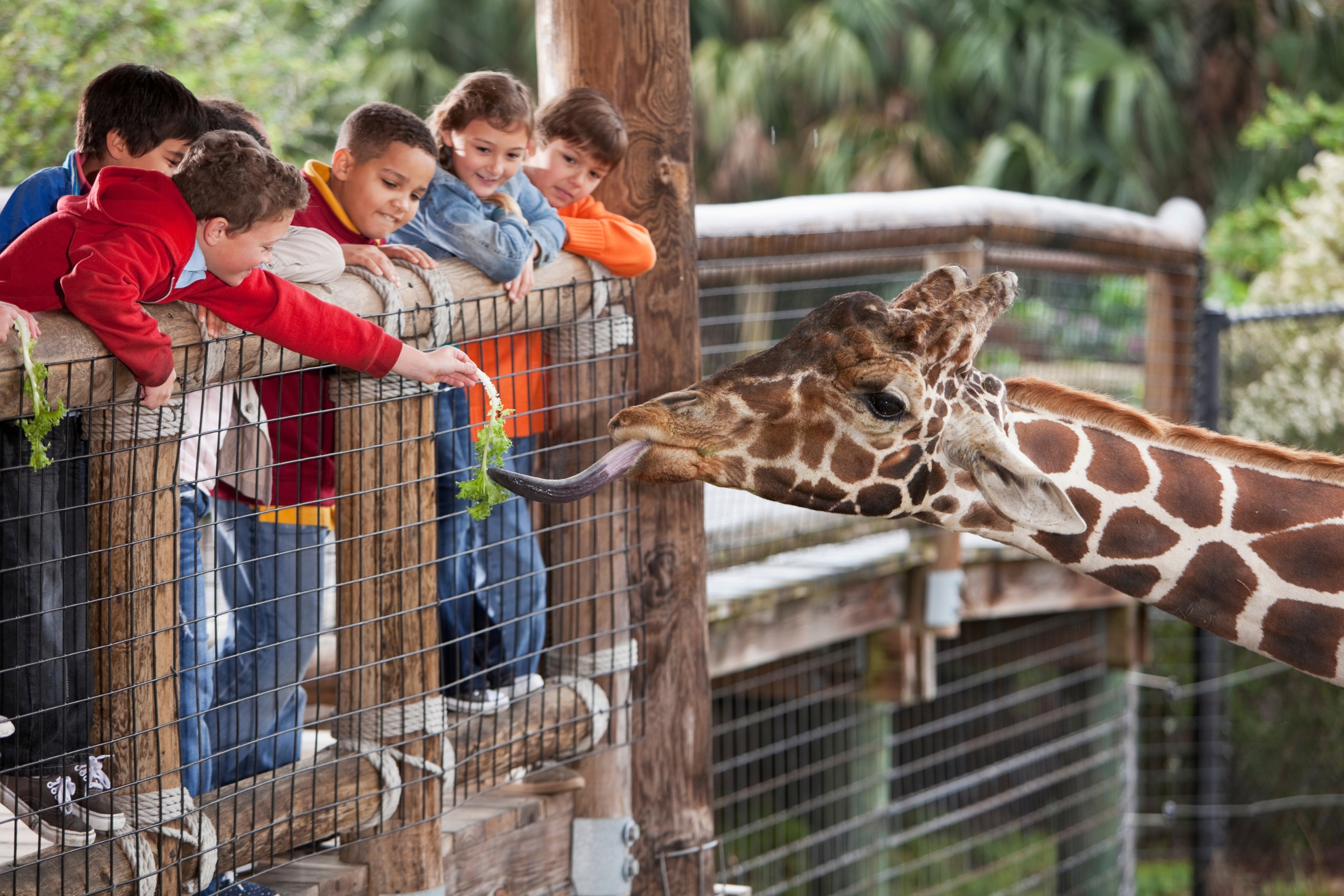
The giraffe’s feeding behavior at the zoo — the specific use of the eighteen-inch, prehensile tongue whose blue-black coloration protects the UV-exposed skin from the sun, and whose specific grasping capability allows the selective stripping of the leaves from the acacia branches that the giraffe’s elevated browsing position most specifically and most efficiently accesses — is the zoo exhibit moment whose visual engagement for the child is simultaneously the most entertaining and the most directly educational available in any giraffe encounter, because the observation of the tongue’s extraordinary length and the specific dexterity of its leaf-stripping technique most directly communicates the specific evolutionary adaptation whose development over millions of years of browsing specialization created the exact biological tool whose form most completely and most efficiently serves the specific ecological niche that the giraffe’s extraordinary height most specifically and most productively occupies. The giraffe’s coat pattern — the specific irregular polygonal patches whose individual uniqueness creates the fingerprint-equivalent identification marker that the giraffe’s specific pattern most reliably provides, and whose camouflage function in the dappled light of the African savanna most directly explains the specific visual character of the pattern whose beauty the child most immediately appreciates and whose functional explanation the parent most specifically and most accessibly provides as the most directly engaging educational context for the specific visual observation that the zoo encounter most naturally and most productively prompts.
Penguins and Polar Bears: The Cold-Climate Stars That Steal Every Show
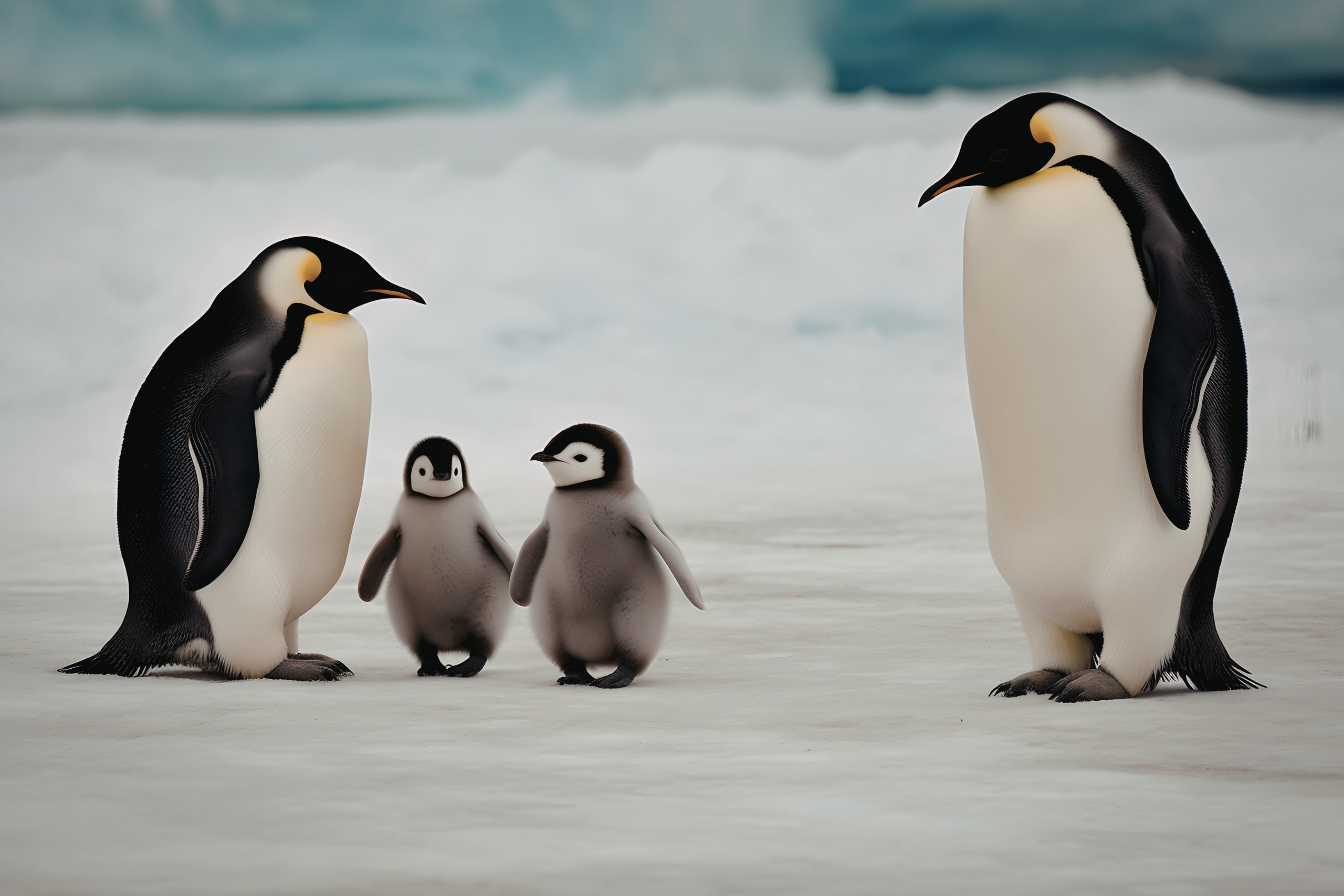
The penguin is the zoo animal whose specific behavioral character — the waddling walk whose awkward land locomotion creates the most comical and the most immediately delightful movement pattern available in any zoo animal, contrasted with the extraordinary underwater grace of the swimming penguin whose torpedo-like speed and whose wing-propelled underwater flight creates the most dramatic available transformation from the clumsy to the magnificent that any single animal’s behavioral repertoire most specifically and most entertainingly provides — creates the most complete range of the child’s emotional response from the laughter to the awe available in any single zoo exhibit. The penguin exhibit whose underwater viewing panel most specifically and most directly enables the child’s observation of the swimming penguin’s specific grace and speed creates the most complete available penguin experience whose combination of the surface observation and the underwater viewing most directly communicates the specific biological duality of the animal whose evolutionary adaptation to the marine environment is as extraordinary as its adaptation to the terrestrial social life is charming.
The polar bear — the largest land carnivore on earth whose specific white coat, whose massive paws, and whose specific swimming behavior creates the most impressive available Arctic ambassador in any zoo’s cold-climate animal collection — is the zoo animal whose specific encounter most directly introduces the child to the concept of the Arctic environment and the specific conservation challenges whose urgency the polar bear’s status as the climate change indicator species most specifically and most compellingly communicates to the child whose developing environmental awareness the zoo’s conservation messaging most specifically and most productively addresses through the specific emotional connection that the polar bear encounter most directly and most lastingly creates. The polar bear’s relationship with the pets and animals category extends beyond the wild animal exhibit to the specific conservation education whose provision through the zoo’s messaging most directly connects the child’s emotional response to the beautiful, powerful animal with the specific environmental understanding whose cultivation through the early zoo experience most specifically and most durably shapes the environmental values whose development in the child is as genuinely educational as any formal classroom instruction available on the topic of the climate, the biodiversity, and the specific responsibility of the human civilization most directly implicated in the environmental changes whose impact on the polar bear’s habitat is the most immediately visible and the most emotionally accessible available demonstration of the broader environmental challenge.
Monkeys, Apes, and Primates: The Zoo Animals That Make Kids Ask Why They Look So Human
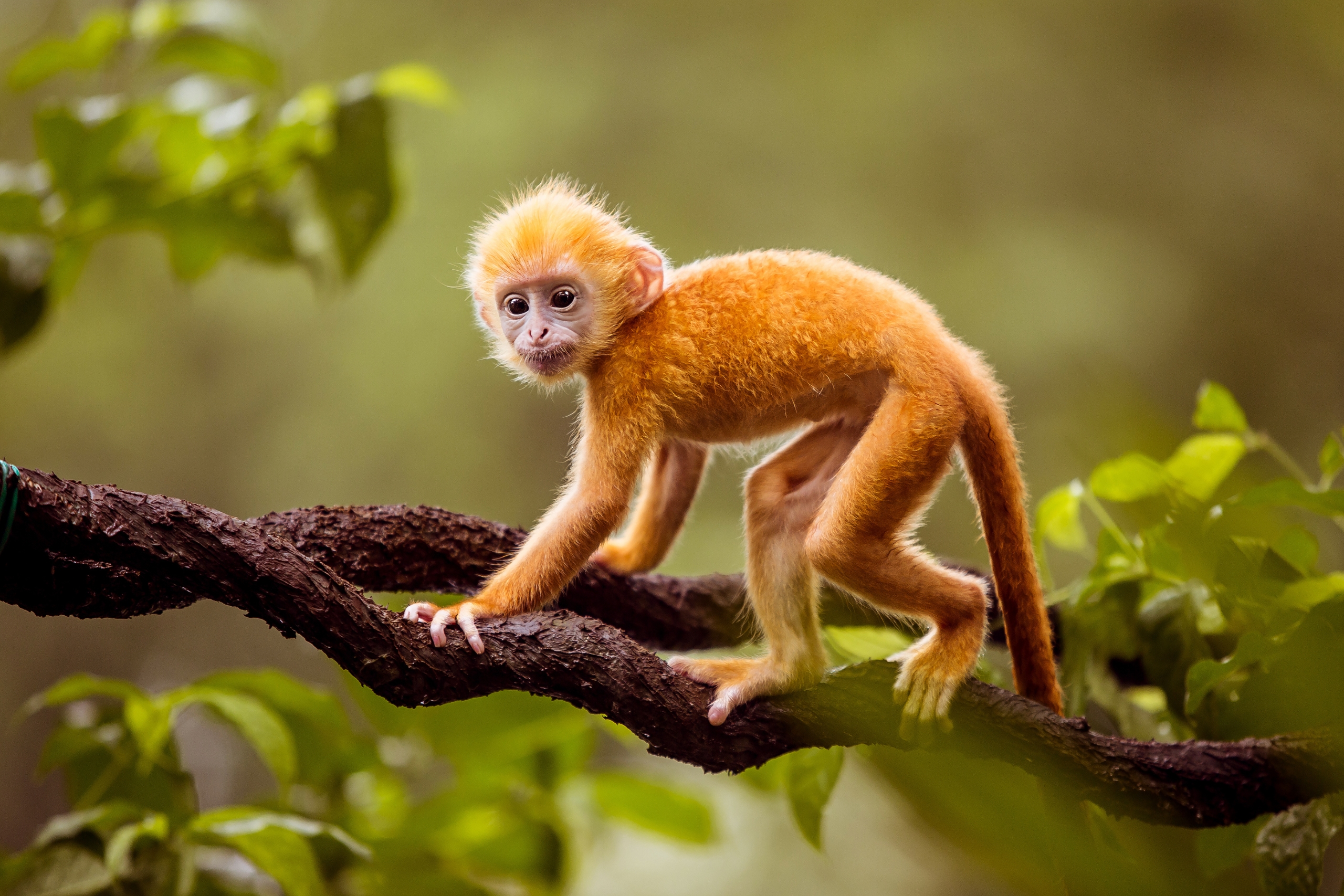
The primate exhibit is the zoo section that most specifically and most consistently produces the most extended child engagement available in any animal encounter — the specific behavioral richness of the chimpanzee, the gorilla, the orangutan, and the capuchin monkey whose individual personalities, whose social interactions, whose tool use, and whose specific facial expressions most directly and most powerfully activate the child’s social cognition in the specific way that the recognition of the familiar human-like behavior in the non-human animal creates the most completely engaging and the most genuinely educational cognitive experience available in any zoo exhibit. The primate’s specific behavioral repertoire — the social grooming whose care and the patience communicates the specific bond maintenance function that is as clear in the chimpanzee as in the human friendship, the play behavior whose wrestling, chasing, and mock fighting creates the most directly child-relatable behavioral pattern available in any zoo animal, and the specific tool use of the chimpanzee whose stick-fishing for termites and whose nut-cracking with the stone creates the most directly impressive demonstration of the non-human intelligence available in any primate species — are the behavioral observations whose sharing with the child during the primate exhibit visit most specifically and most completely transforms the looking at the monkey into the specific cognitive engagement with the animal behavior whose meaning, whose context, and whose specific human parallel the child’s developing social understanding most productively and most lastingly processes.
The gorilla — the largest of the living primates whose silverback male’s eight hundred pounds of muscle, whose knuckle-walking gait, and whose specific chest-beating display creates the most powerful and the most impressive physical presence available in any primate exhibit — is the zoo animal whose specific combination of the physical magnificence and the behavioral gentleness creates the most completely contradictory and the most educationally valuable impression available in the child’s zoo experience, because the specific observation of the gorilla’s gentle interaction with the infants of the group, the patience of the resting adult with the playing juveniles, and the specific quality of the calm, unhurried social life whose absence of the aggression and the drama most commonly expected from the animal of the gorilla’s size and the gorilla’s power most specifically and most movingly communicates the biological reality that the physical power and the behavioral gentleness are entirely compatible qualities whose coexistence in the gorilla’s specific character is as genuinely instructive for the child as any lesson about the relationship between size and temperament available in any educational context.
Reptiles and Amphibians: The Cold-Blooded Wonders That Fascinate and Frighten
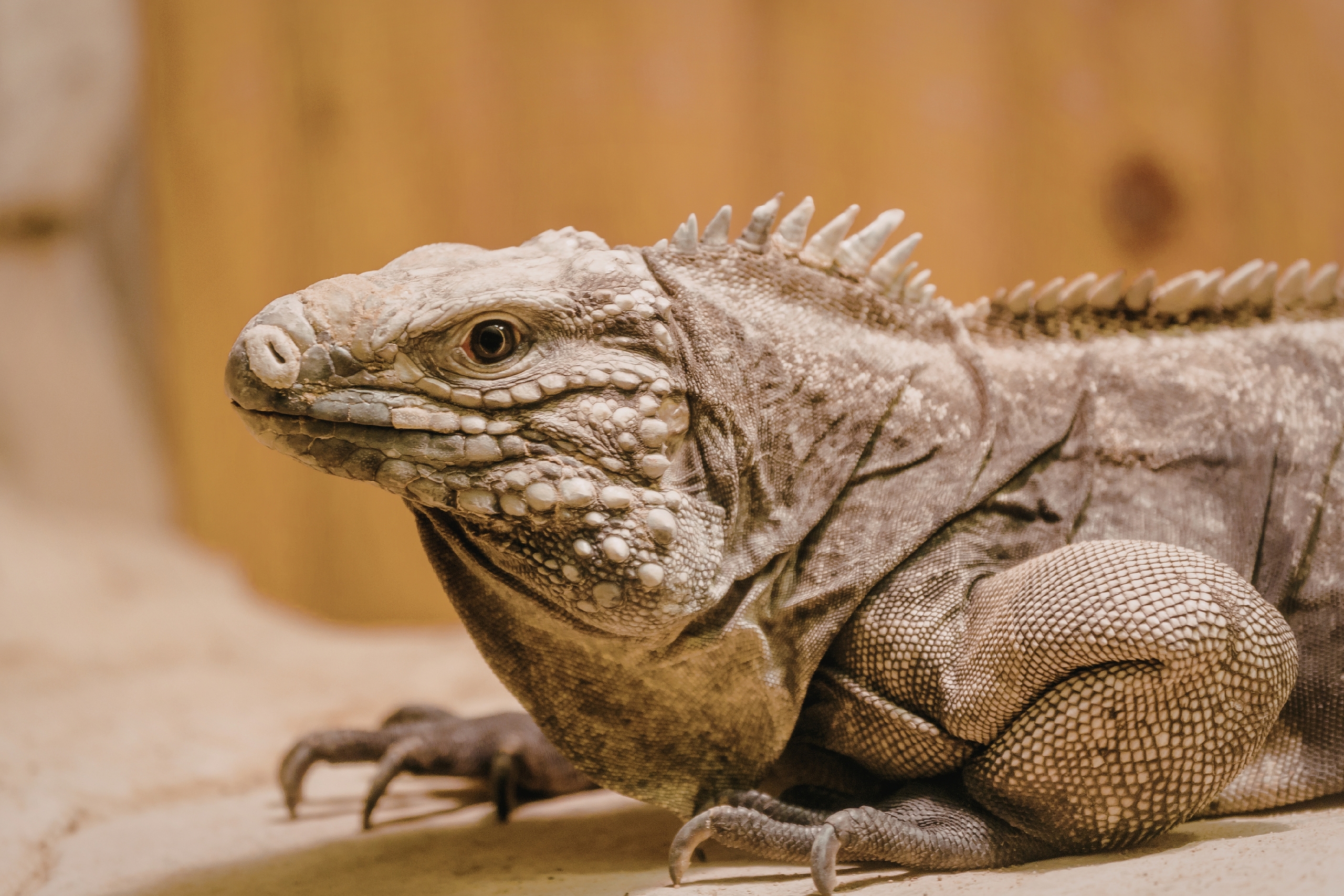
The reptile house is the zoo section whose specific combination of the ancient, the alien, and the occasionally terrifying creates the most polarized child response available in any single zoo exhibit — the children who are most fascinated by the reptiles and the children who are most apprehensive about them representing the two ends of the specific response spectrum whose full range most consistently and most entertainingly characterizes the reptile house’s visitor population whose diversity of the comfort level, the prior knowledge, and the specific reptile encounter history most directly and most predictably determines the specific quality of the engagement that the reptile house visit most specifically and most personally produces. The specific educational value of the reptile house for the child whose knowledge of the natural world is most completely served by the encounter with the animals whose evolutionary history predates the mammals, whose specific physiological characteristics of the ectothermy, the scale-covered skin, and the extraordinary sensory systems create the most biologically distinct available animal group in the zoo’s collection, and whose specific role in the ecosystem as the predator, the prey, and the critical component of the food web whose health most directly and most specifically depends on the reptile’s presence is the biological reality whose communication through the zoo exhibit most directly and most accessibly contributes to the child’s comprehensive understanding of the animal kingdom’s full diversity.
The Komodo dragon — the largest lizard currently alive on earth whose ten-foot length, whose forked tongue, and whose specific venomous saliva whose bacterial and anticoagulant properties create the most effective available natural weapon in any lizard species — is the reptile house’s most impressive and the most specific conversation-starter available for the parent whose child’s encounter with the Komodo dragon most directly and most productively introduces the specific evolutionary concept of the living fossil whose biological character most closely resembles the prehistoric reptile whose descendants the Komodo dragon most specifically and most directly represents in the contemporary animal kingdom. The poison dart frog — the specific amphibian whose vivid coloration of the bright red, the electric blue, the neon yellow, and the warning orange creates the most visually spectacular available small animal in any reptile house exhibit, and whose specific toxicity whose communication through the bright color is the most direct available example of the aposematic coloration whose warning function in the natural world most specifically and most accessibly introduces the child to one of the most important and the most broadly applicable evolutionary concepts available in any zoo educational context — is the reptile house’s most colorful and the most educationally dense single exhibit whose small size, whose extraordinary appearance, and whose specific fascinating toxicity creates the most completely captivating available learning opportunity in any cold-blooded animal encounter.
Conclusion
The zoo visit whose preparation includes the specific knowledge of the animals whose encounter most specifically amplifies the excitement and most directly deepens the educational value is the zoo visit that most completely and most lastingly serves the child whose first encounter with the wild world’s most extraordinary inhabitants is the foundational experience whose quality most specifically determines the depth of the connection to the natural world that the child whose sense of wonder is most completely engaged at the moment of the first real animal encounter carries forward into the developing environmental awareness, the specific natural curiosity, and the specific love of the animal kingdom whose cultivation through the genuinely educational, genuinely exciting zoo experience is as important and as lasting an educational gift as any available to the child whose relationship with the natural world is the specific foundation of the broader environmental citizenship whose development the parents, the educators, and the pets and animals advocates most specifically and most genuinely value. The lion’s roar, the elephant’s memory, the giraffe’s impossible height, the penguin’s underwater grace, the gorilla’s gentle power, and the poison dart frog’s vivid warning are not merely the zoo’s attractions — they are the specific invitations into the extraordinary biological world whose complexity, whose beauty, and whose specific magnificence most completely and most lastingly exceeds the expectation of every child whose first zoo visit is the specific beginning of a lifelong love of the natural world that the best zoo experiences most genuinely and most generously inspire.