
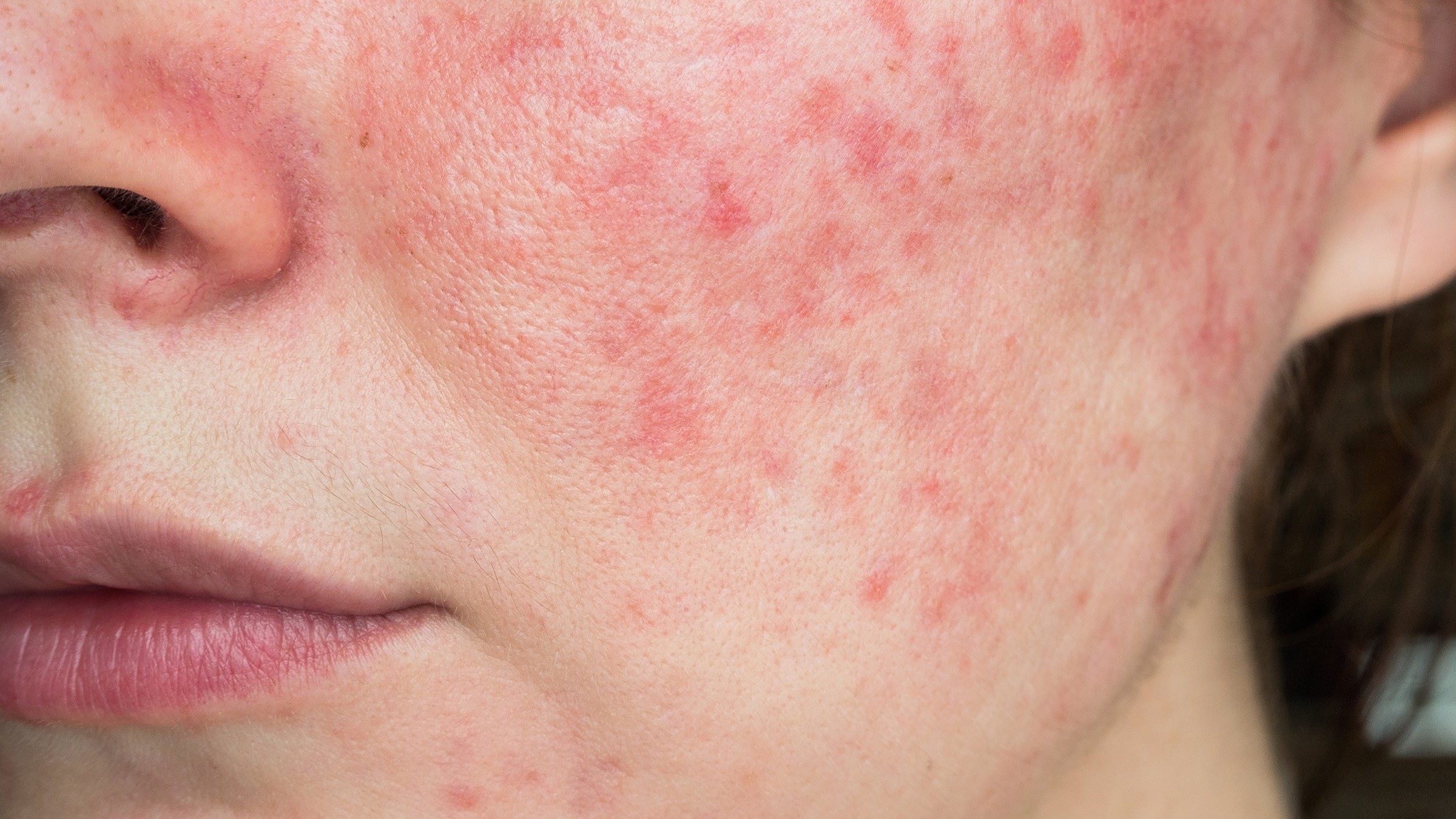
How To Prevent Rosacea

Rosacea is a common skin condition that causes redness, visible blood vessels, and sometimes small bumps on the face. It often affects areas such as the cheeks, nose, and forehead, and can vary in severity from mild to more noticeable symptoms. While rosacea is a long-term condition, proper care and preventive measures can help manage flare-ups and maintain healthier-looking skin.
Understanding how to prevent rosacea symptoms is important for reducing discomfort and improving skin appearance. The condition can be influenced by various factors, including environmental triggers, lifestyle habits, and skincare routines. Identifying and managing these factors plays a key role in prevention.
This guide explores practical ways to prevent rosacea flare-ups and maintain balanced, healthy skin through simple and consistent habits.
Identifying and Avoiding Triggers
One of the most effective ways to prevent rosacea is by identifying and avoiding triggers that can cause flare-ups. Common triggers include exposure to heat, cold weather, spicy foods, stress, and certain skincare products. Each individual may react differently, so it is important to pay attention to patterns and recognize what affects your skin.
Keeping a record of daily activities, diet, and environmental exposure can help identify specific triggers. Once these triggers are known, making adjustments becomes easier. For example, avoiding extreme temperatures or limiting certain foods can significantly reduce the chances of irritation.
By understanding what causes flare-ups, individuals can take proactive steps to prevent them. This approach allows for better control of symptoms and supports long-term skin health.
Maintaining a Gentle Skincare Routine
A gentle and consistent skincare routine is essential for preventing rosacea symptoms. Harsh products can irritate sensitive skin and worsen redness, making it important to choose mild and non-irritating options. Cleansing the skin with gentle products helps remove impurities without causing damage.
Moisturizing is also important for maintaining the skin’s natural barrier. Well-hydrated skin is less likely to become irritated and more capable of handling environmental stress. Using products designed for sensitive skin can help reduce the risk of flare-ups.
Avoiding overuse of products is equally important. Keeping the routine simple and consistent helps maintain balance and prevents unnecessary irritation.
Protecting Skin from Sun Exposure
Sun exposure is a common trigger for rosacea, making protection an important part of prevention. Prolonged exposure to sunlight can increase redness and sensitivity, leading to flare-ups. Taking steps to protect the skin from the sun helps reduce these risks.
Using protective measures such as wearing hats and seeking shade can help minimize exposure. Choosing appropriate skincare products that support sun protection also plays a role in maintaining skin health.
Consistent protection from sunlight helps prevent irritation and supports overall skin stability. Making sun protection a daily habit is essential for managing rosacea effectively.
Managing Stress and Lifestyle Factors
Stress is a known trigger for rosacea and can contribute to flare-ups if not managed properly. Finding ways to reduce stress can have a positive impact on both skin health and overall well-being. Activities such as relaxation techniques and maintaining a balanced routine can help manage stress levels.
Lifestyle habits also play a role in preventing rosacea. Getting enough rest, staying hydrated, and maintaining a balanced diet support the body’s ability to manage skin conditions. Avoiding habits that increase sensitivity, such as excessive heat exposure, can further reduce risks.
In Health and Beauty, maintaining a balanced lifestyle is an important part of preventing skin conditions. Small changes in daily habits can lead to noticeable improvements over time.
Choosing the Right Diet
Diet can influence rosacea symptoms, making it important to be mindful of food choices. Certain foods and beverages may trigger flare-ups, while others can support overall skin health. Identifying foods that cause irritation helps in managing symptoms more effectively.
A balanced diet that includes nutrient-rich foods supports the body’s natural processes and helps maintain skin stability. Staying hydrated also plays a key role in keeping the skin healthy and reducing dryness or irritation.
Making informed dietary choices can contribute to better skin condition and reduce the frequency of flare-ups. Consistency in healthy eating habits supports long-term prevention.
Avoiding Harsh Environmental Conditions
Environmental factors such as strong winds, extreme temperatures, and pollution can irritate the skin and trigger rosacea symptoms. Protecting the skin from these conditions helps maintain its balance and reduces sensitivity.
Using protective clothing and minimizing exposure during extreme conditions can help prevent irritation. Keeping the skin covered and avoiding sudden temperature changes also supports skin stability.
Being aware of environmental conditions and taking preventive steps helps reduce the impact on the skin. This approach contributes to maintaining a more consistent and healthy appearance.
Seeking Professional Guidance When Needed
While many preventive measures can be managed at home, seeking professional guidance may be necessary for persistent or severe symptoms. A healthcare professional can provide advice and recommend appropriate treatments based on individual needs.
Professional care ensures that the condition is properly understood and managed. Early intervention can help prevent symptoms from worsening and provide more effective solutions.
Regular consultation and proper care support long-term skin health and improve overall management of rosacea.
Conclusion
Preventing rosacea involves a combination of identifying triggers, maintaining a gentle skincare routine, protecting the skin from environmental factors, and adopting healthy lifestyle habits. By making consistent and mindful choices, individuals can reduce flare-ups and maintain healthier skin. Taking a proactive approach to prevention not only improves skin appearance but also supports overall well-being and confidence.